Direct naar hoofdinhoud
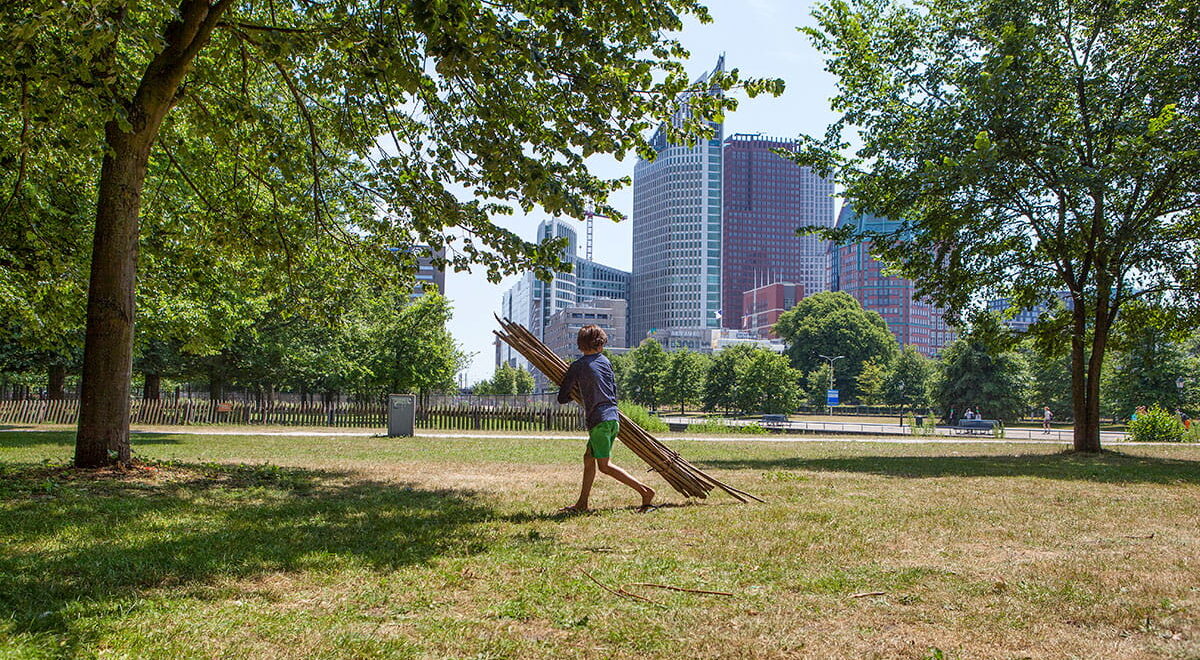
Een jong persoon versleept takken in het park bij het Haagse Bos. In de achtergrond zie je het stationsgebied Den Haag Centraal

Next Stop: The Hague Forest

The Hague Central Station is located directly next to the Haagse Bos, which translates to "The Hague's Forest". You only need to cross the street, and you'll find yourself entering the forest. The name, Bezuidenhoutseweg, also refers to the forest, as the Haagse Bos used to be called "de Houte."

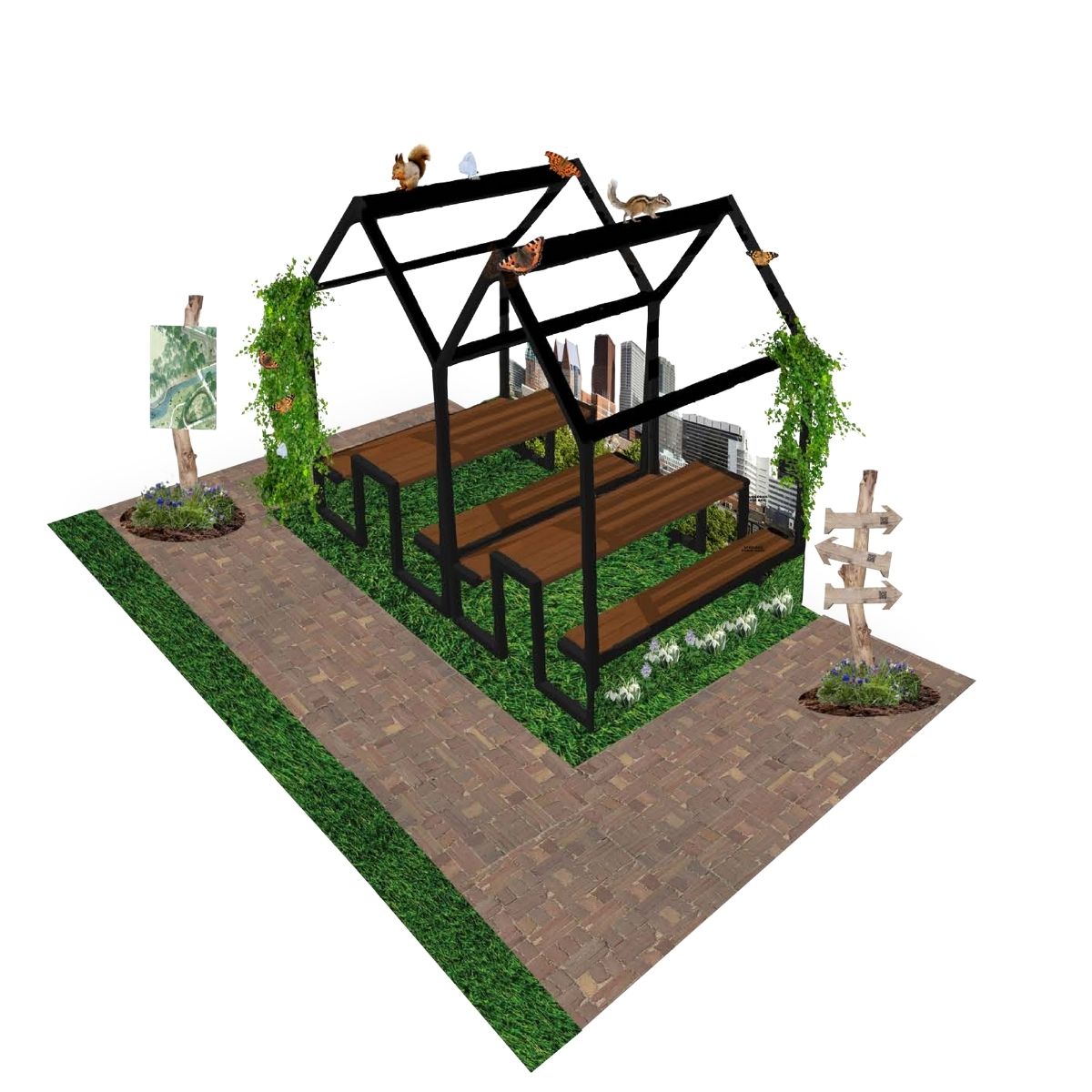
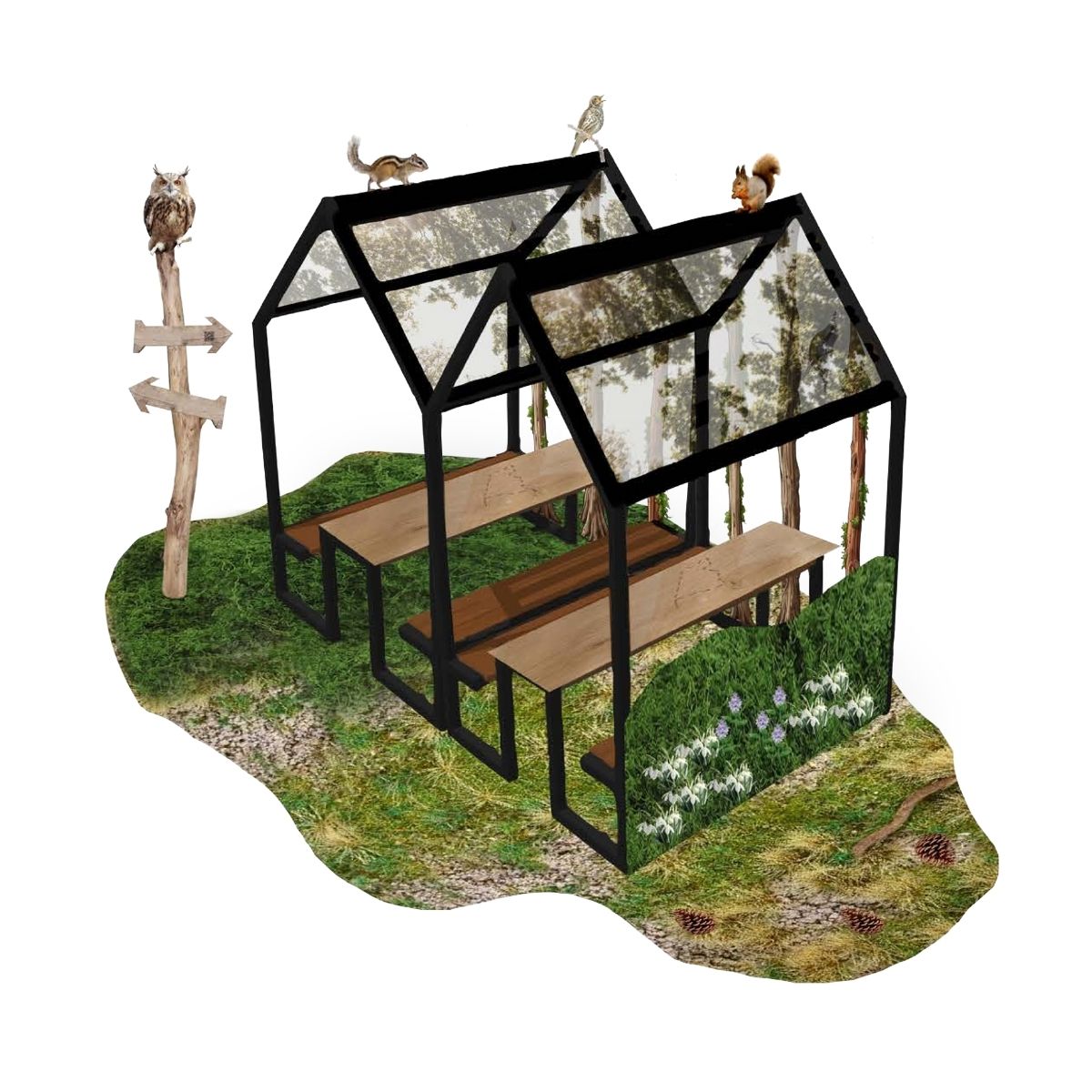
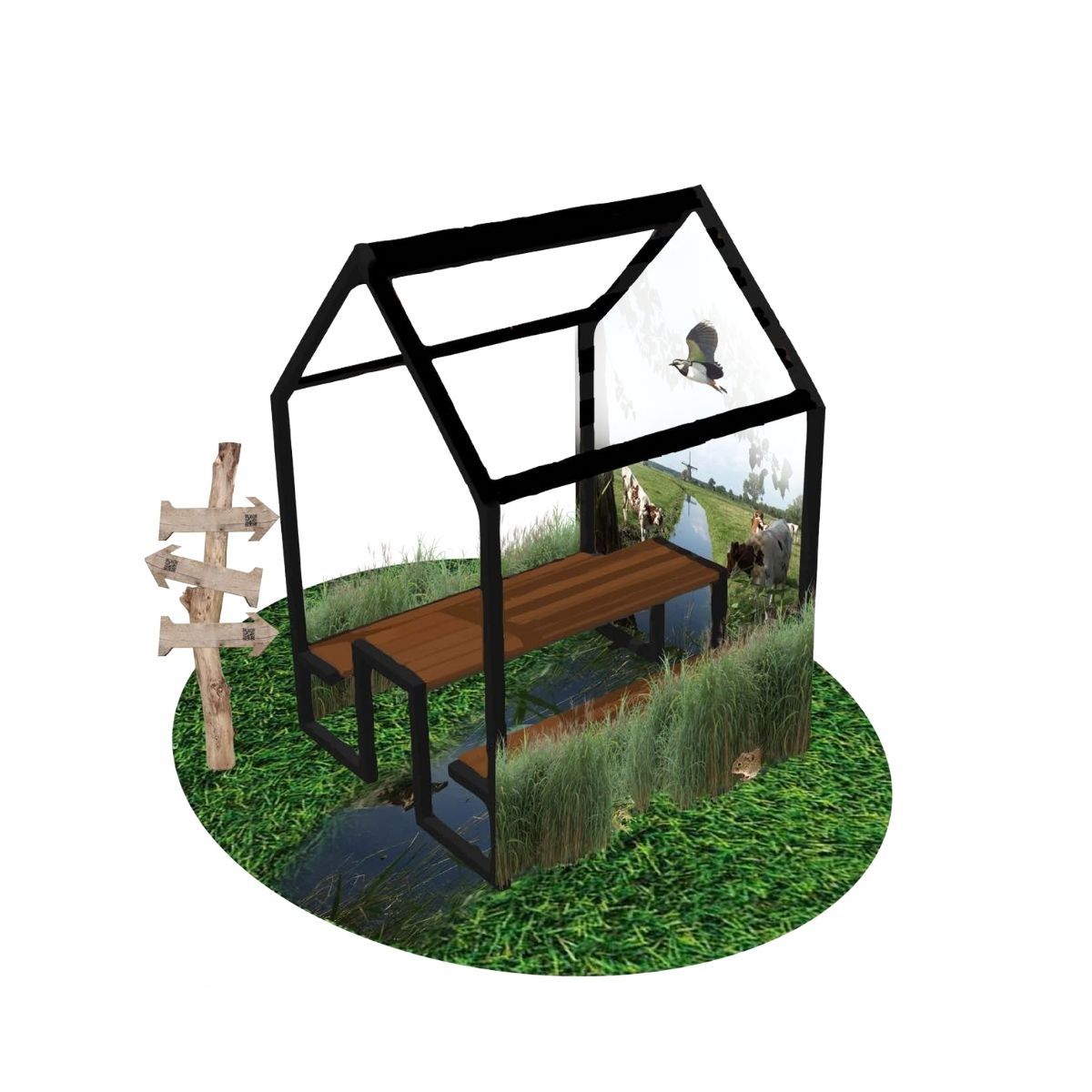
At The Hague Central Station, you can find nature houses behind the gates where you can sit quietly. Moreover, these houses invite you to explore the natural areas of The Hague and its surroundings. You’ll be amazed by the diversity of plants and animals that live here; even the Big 5 of the Netherlands can be found in this region.

Each nature house represents one of the natural landscapes in The Hague, such as forest, fen, dune, beach, and city. For example, the Haagse Bos is located right next to Den Haag Centraal. By crossing the Bezuidenhoutseweg, you will find yourself immediately in the forest, where you can spot deer.
Forest

The Hague Central Station is located directly next to the Haagse Bos (The Hague Forest). Simply cross the Bezuidenhoutseweg and you are instantly immersed in the forest.
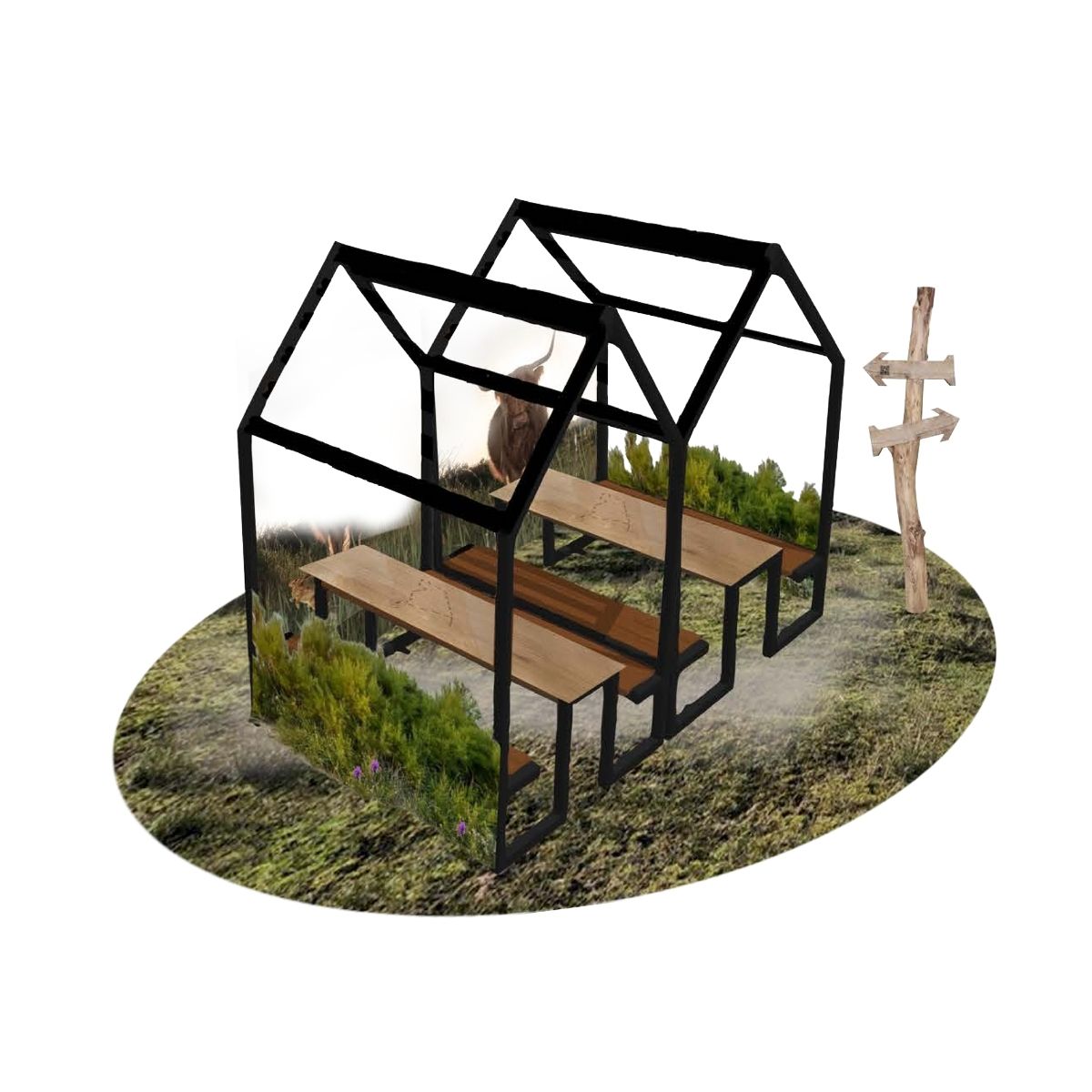
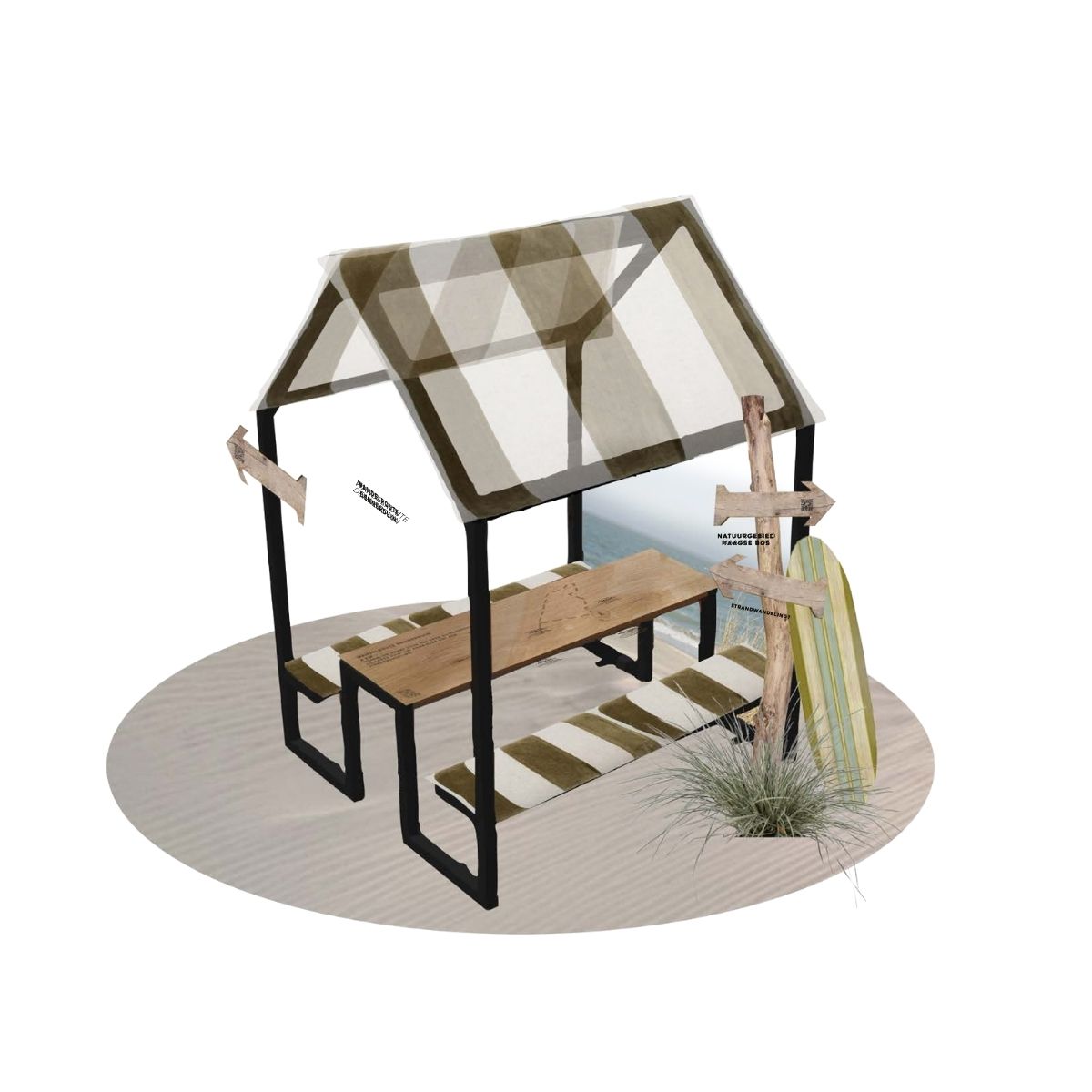
The forest area around the Central Station is now fragmented into small pieces but was once part of a large primeval forest that stretched along the coast all the way to Alkmaar. In and around the forests, there are several estates with large gardens around them, featuring various exotic bulb plants. Many bird species and both small and large animals can be seen and in the area. For example, you can spot deer just by walking out of the station: the former estate De Koekamp, with a large deer park, is located right opposite of the Bezuidenhoutseweg.

> Read more

Peat Meadow

The peat meadow area begins where the forest and the sand end. This is roughly around The Hague Central Station, which is still situated on the peat, at the edge of the Haagse Bos where the sand begins. Peat is formed from dead plant remains. You can recognize it by its brown or black soil color, and it has a somewhat spongy texture. It takes about 1,000 years to form one meter of peat.

Nowadays, much of the peat soil is used by farmers. This is how the typical Haagse peat meadow landscape has developed, which you can visit in many places starting from the Central Station.

Dunes

The Hague Central Station is located very close to the dunes. These dunes were formed about 5,000 years ago when the land ice melted, resulting in the creation of the North Sea and beach ridges. These beach ridges, or dunes, have long protected the land from the water. The dunes around The Hague are home to many special species of plants and animals. This is partly due to the unique climate in the dune valleys, each having its own humidity and temperature, which can sometimes differ by more than ten degrees from other places in the dunes.

It takes about fifteen minutes by bike to get from Den Haag Centraal to the dunes. You can also get there easily by bus or tram.

Beach

The beach near The Hague Central Station is no less than 11 km long and consists of 6 different beaches, each with its own atmosphere, nature, and recreational opportunities. The Zwarte Pad (“Black Path”) is quirky and lively, with most of the beach parties. The Noordboulevard has the largest beach area, expansive views, and a trendy boulevard. Food stalls and pavilions are mainly found around the Kurhaus and the Pier. The Zuiderstrand is also known as the Quiet Beach.

It takes about 20 minutes by bike to get from Den Haag Centraal to the beach. You can also get there easily by bus or tram.

City

Around The Hague Central Station, right in the middle of the city, there are 11 ecozones that connect the large parks, estates, forests, and dunes. These are unique natural areas with groves, meadows, ditches, and ponds, where many different plants grow that provide shelter for various animals. Besides being pleasant recreational areas, the ecozones also enable animals to move much more safely through the city. This also applies to nocturnal animals, as street lighting is dimmed or even absent at night.

In addition to plants and animals, there are various sights along the zones. There is truly a lot to see and explore.